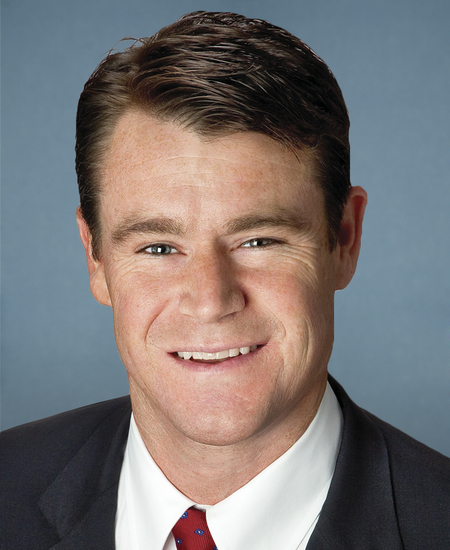
Todd Young
U.S. Senator · Indiana · Republican
From public records: votes from Voteview, bills from congress.gov, money from FEC filings · votes updated Nov 9, 2026 · How we measure
Effectiveness, 119th Congress so far
How it’s measured0.58· expected 1.04
Meets expectations
Rank 67 of 100 in the Senate · expected = average of 32 majority-party members without a committee lead
How far Young’s own bills got, weighted by substance. The average member scores 1.00.
- Introduced 56
- Action in committee 9
- Action beyond committee 4
- Passed chamber 1
- Became law 0
56 bills and joint resolutions sponsored: 0 significant (got a roll call vote), 56 substantive, 0 commemorative. Compare the Senate
Young’s bills that passed the Senate or further
All bills1 bill sponsored in the 119th Congress, furthest along first. These are the bills counted in Young’s effectiveness score.
- S. 2563 Global Investment in American Jobs Act of 2025Establishes policies to increase American job creation through foreign investment. AI-readGovernment Operations and Politics · Introduced Mar 24, 2026 Introduced
Stage comes from each bill’s latest action on congress.gov; the full history is on each bill page.