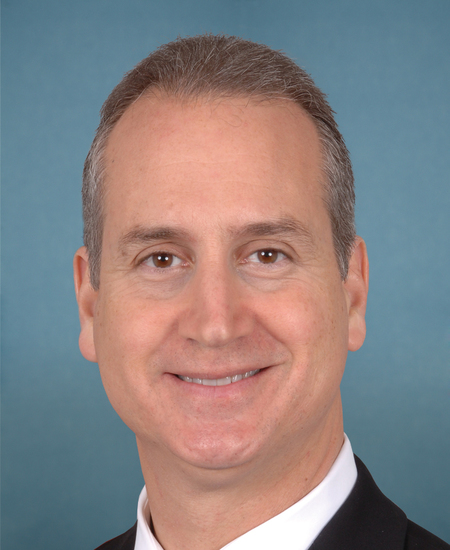
Mario Diaz-Balart
U.S. Representative · FL-26 · Republican · Chair, Appropriations
From public records: votes from Voteview, bills from congress.gov, money from FEC filings · votes updated Nov 4, 2026 · How we measure
Effectiveness, 119th Congress so far
How it’s measuredMeets expectations
Rank 183 of 433 in the House · expected = average of 195 majority-party members without a committee lead
How far Diaz-Balart’s own bills got, weighted by substance. The average member scores 1.00.
- Introduced 10
- Action in committee 4
- Action beyond committee 4
- Passed chamber 2
- Became law 0
10 bills and joint resolutions sponsored: 1 significant (got a roll call vote), 9 substantive, 0 commemorative. Compare the House
Diaz-Balart’s bills that made it out of committee or further
All bills4 bills and joint resolutions sponsored in the 119th Congress, furthest along first. These are the bills counted in Diaz-Balart’s effectiveness score.
- H.R. 8595 Making appropriations for national security, Department of State, and related programs for the fiscal year ending September 30, 2027, and for other purposes.Appropriates funds for national security, State Department, and related programs for fiscal year 2027. AI-readEconomics and Public Finance · Passed a chamber Jul 29, 2026 Passed a chamber
- H.R. 672 To establish new ZIP Codes for certain communities, and for other purposes.Requires Postal Service to establish unique ZIP Codes for 14 named communities. AI-readGovernment Operations and Politics · Passed a chamber Jul 22, 2025 Passed a chamber
- H.R. 4397 Muslim Brotherhood Terrorist Designation Act of 2025Designates the Muslim Brotherhood as a terrorist organization. AI-readInternational Affairs · Out of committee Dec 3, 2025 Out of committee
- H.R. 4779 National Security, Department of State, and Related Programs Appropriations Act, 2026Appropriates funds for national security, State Department, and related programs in fiscal year 2026. AI-readInternational Affairs · Out of committee Jul 25, 2025 Out of committee
Stage comes from each bill’s latest action on congress.gov; the full history is on each bill page.