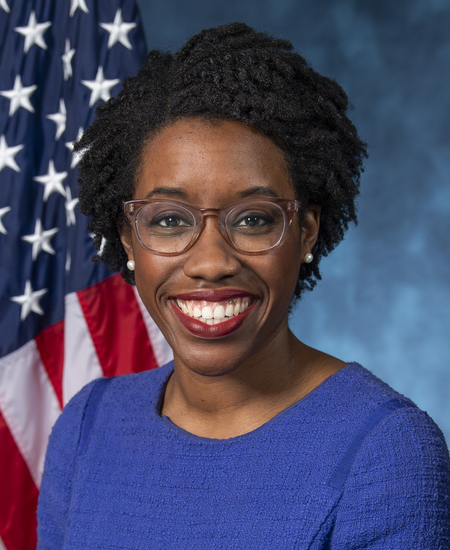
Lauren Underwood
U.S. Representative · IL-14 · Democrat
From public records: votes from Voteview, bills from congress.gov, money from FEC filings · votes updated Nov 10, 2026 · How we measure
Effectiveness, 119th Congress so far
How it’s measuredAbove expectations
Rank 156 of 433 in the House · expected = average of 192 minority-party members without a committee lead
How far Underwood’s own bills got, weighted by substance. The average member scores 1.00.
- Introduced 37
- Action in committee 13
- Action beyond committee 3
- Passed chamber 2
- Became law 0
37 bills and joint resolutions sponsored: 0 significant (got a roll call vote), 36 substantive, 1 commemorative. Compare the House
Underwood’s bills that made it out of committee or further
All bills3 bills and joint resolutions sponsored in the 119th Congress, furthest along first. These are the bills counted in Underwood’s effectiveness score.
- H.R. 6238 NIH IMPROVE ActImproves National Institutes of Health operations or research programs. AI-readHealth · Passed a chamber Jul 21, 2026 Passed a chamber
- H.R. 248 Baby Changing on Board ActRequires baby changing facilities on commercial aircraft. AI-readTransportation and Public Works · Passed a chamber Jun 10, 2025 Passed a chamber
- H.R. 6020 To designate the facility of the United States Postal Service located at 14855 South Van Dyke Road in Plainfield, Illinois, as the "Staff Sergeant Jose Dueñez Jr. Post Office Building".Names the Plainfield, Illinois postal facility the Staff Sergeant Jose Dueñez Jr. Post Office Building. AI-readGovernment Operations and Politics · Out of committee Sep 14, 2026 Out of committee
Stage comes from each bill’s latest action on congress.gov; the full history is on each bill page.