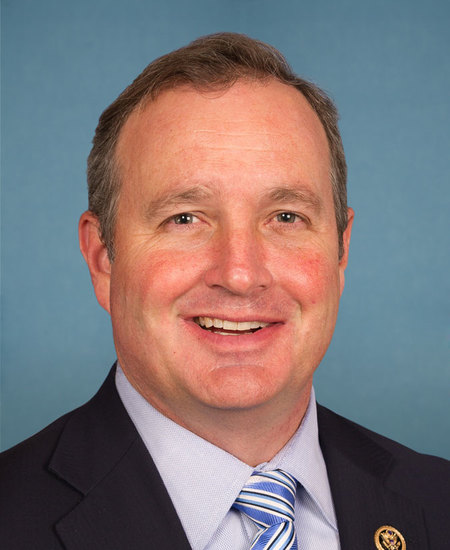
Jeff Duncan
Former Representative for South Carolina’s 3rd District, 2011–2025 · Republican
Record from the 118th Congress · From public records: votes from Voteview, bills from congress.gov, money from FEC filings · votes updated Nov 10, 2026 · How we measure
Effectiveness, 118th Congress
How it’s measuredMeets expectations
Rank 87 of 445 who served in the House that Congress · expected = average of 227 majority-party members
How far Duncan’s own bills got, weighted by substance. The average member scores 1.00.
- Introduced 27
- Action in committee 13
- Action beyond committee 6
- Passed chamber 3
- Became law 0
27 bills and joint resolutions sponsored: 3 significant (got a roll call vote), 23 substantive, 1 commemorative. Compare the House
Duncan’s bills that got action in committee or further
All bills13 bills and joint resolutions sponsored in the 118th Congress, furthest along first. These are the bills counted in Duncan’s effectiveness score.
- H.R. 3293 Expediting Federal Broadband Deployment Reviews ActScience, Technology, Communications · Passed a chamber Dec 17, 2024 Passed a chamber
- H.R. 1121 Protecting American Energy Production ActEnergy · Passed a chamber Mar 21, 2024 Passed a chamber
- H.R. 6544 Atomic Energy Advancement ActEnergy · Passed a chamber Feb 29, 2024 Passed a chamber
- H.R. 7655 Pipeline Safety, Modernization, and Expansion Act of 2024Transportation and Public Works · Out of committee Mar 20, 2024 Out of committee
- H.R. 6185 GRID ActEnergy · Out of committee Mar 19, 2024 Out of committee
- H.R. 742 TELL ActCommerce · Out of committee Mar 9, 2023 Out of committee
- H.R. 152 Hearing Protection ActTaxation · In committee Dec 17, 2024 In committee
- H.R. 497 Freedom for Health Care Workers ActHealth · In committee Dec 17, 2024 In committee
- H.R. 779 No Social Security for Illegal Aliens Act of 2023Social Welfare · In committee Dec 17, 2024 In committee
- H.R. 2829 Chronic Care Management Improvement Act of 2023Health · In committee Dec 17, 2024 In committee
- H.R. 6265 NRC Mission Alignment ActEnergy · In committee Nov 10, 2023 In committee
- H.R. 150 Protecting American Energy Production ActEnergy · In committee Feb 21, 2023 In committee
- H.R. 145 RUSH WAS RIGHT Act of 2023Science, Technology, Communications · In committee Jan 20, 2023 In committee
Stage comes from each bill’s latest action on congress.gov; the full history is on each bill page.